

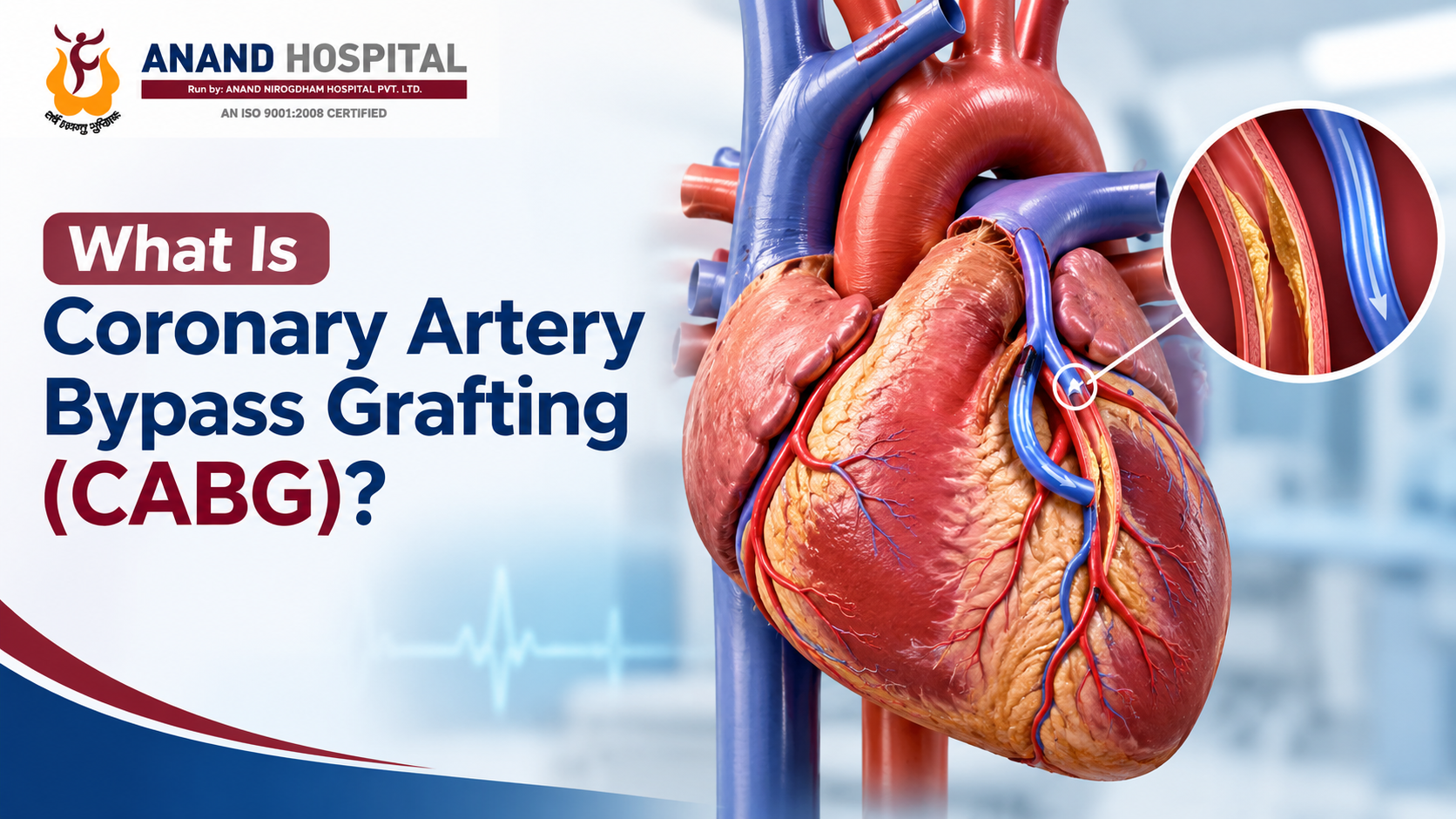
What Is Coronary Artery Bypass Grafting (CABG)?
What Is Coronary Artery Bypass Grafting (CABG)? is a common question among people who have been diagnosed with blocked heart arteries. Coronary artery bypass grafting, also known as heart bypass surgery, is a procedure used to improve blood flow to the heart muscle. It is generally recommended for selected patients with coronary artery disease when the heart’s blood supply is significantly reduced. More info
The heart needs a continuous supply of oxygen-rich blood to function properly. When the coronary arteries become narrowed or blocked due to plaque build-up, a person may experience chest pain, breathlessness, or other heart-related symptoms. CABG creates a new route for blood to flow around the affected section of an artery. The decision to undergo surgery depends on the patient’s condition and the advice of a cardiac specialist.
What Is Coronary Artery Bypass Grafting (CABG) and How Does It Work?
Coronary artery bypass grafting is a heart surgery in which a healthy blood vessel from another part of the body is used to create a new pathway around a narrowed or blocked coronary artery.
The blood vessel used for the graft may be taken from the chest, arm, or leg. The surgeon connects it so that blood can travel around the blockage and reach the heart muscle more effectively.
CABG does not remove all the underlying coronary artery disease. Instead, it improves blood flow by creating an alternative route. Patients still need regular follow-up, prescribed medicines, and lifestyle changes after surgery.
Why Do Patients Need CABG Surgery?
Coronary artery disease develops when fatty deposits, cholesterol, and other substances accumulate inside the coronary arteries. This process, known as atherosclerosis, can gradually reduce blood flow to the heart.
A cardiac surgeon may recommend bypass surgery in situations such as:
Multiple blocked arteries: Several coronary arteries are significantly narrowed or blocked.
Severe coronary artery disease: The pattern or location of the blockages makes bypass surgery a suitable option.
Persistent chest pain: Symptoms continue despite appropriate medicines or other treatment.
Certain high-risk heart conditions: The overall findings suggest that surgery may offer important benefits.
When angioplasty is unsuitable: A procedure involving a balloon and stent may not be the best option for some patients.
Not every patient with a blocked artery needs bypass surgery. The cardiologist and cardiac surgeon assess the angiogram, heart function, symptoms, medical history, and other risk factors before recommending treatment.
How Is Coronary Artery Bypass Surgery Performed?
CABG is performed in a hospital under general anaesthesia, which means the patient is asleep during the operation. The surgical method depends on the patient’s condition and the surgeon’s assessment.
1. Preparing for the Operation
Before surgery, the medical team may conduct blood tests, an ECG, an echocardiogram, and coronary angiography, along with other investigations when required.
The doctor reviews the patient’s medicines and explains how to prepare for the procedure. Patients should follow the hospital’s instructions about fasting and medicines, particularly blood thinners and diabetes medicines.
2. Taking a Healthy Blood Vessel
The surgeon selects a suitable blood vessel, commonly from the chest or leg and sometimes from the arm. This vessel is used to create a new route for blood to reach the heart muscle.
3. Creating a New Route for Blood Flow
In traditional CABG, the surgeon usually makes an incision through the centre of the chest to access the heart. A heart-lung machine may be used to maintain circulation while the surgeon operates on the heart.
In selected cases, off-pump CABG surgery can be performed while the heart continues beating, without using a heart-lung machine. The approach depends on the patient’s anatomy, medical condition, and the surgical team’s expertise.
The surgeon attaches the graft beyond the narrowed or blocked section so that blood can bypass the affected area.
4. Monitoring After Surgery
After the operation, the patient is taken to the intensive care unit for close monitoring. The medical team checks heart function, breathing, blood pressure, and other vital signs.
The length of the hospital stay depends on the patient’s recovery and whether any complications occur.
What Are the Benefits of CABG Surgery?
The main purpose of bypass surgery is to improve blood supply to the heart muscle. For appropriately selected patients, it may provide several benefits.
Relief from Chest Pain
Reduced blood flow can cause angina, which is chest discomfort that may occur during physical activity or stress. CABG may help reduce these symptoms when they are caused by coronary artery disease.
Improved Blood Flow to the Heart
The graft provides an alternative pathway for blood to reach the heart muscle. This can improve circulation to areas affected by significant blockages.
Better Ability to Perform Daily Activities
When symptoms improve after surgery, some patients find it easier to walk, perform household tasks, and participate in suitable physical activities. Recovery and results vary from person to person.
Long-Term Management of Coronary Artery Disease
For selected patients, bypass surgery can offer important long-term benefits. However, it does not cure coronary artery disease, and new blockages can develop in the future. Continued medical care and lifestyle changes remain essential.
What Are the Risks of CABG Surgery?
Like every major operation, coronary artery bypass grafting carries risks. Possible complications include bleeding, wound infection, irregular heart rhythm, kidney problems, stroke, heart attack, and complications related to anaesthesia.
The level of risk varies according to the patient’s age, general health, heart function, kidney function, diabetes status, and whether the operation is planned or performed in an emergency.
Before surgery, the cardiac team explains the potential benefits and risks and answers the patient’s questions. Patients should discuss their individual risk rather than relying on general statistics.
How Long Does Recovery After Bypass Surgery Take?
Recovery from CABG takes time and varies between individuals. Many patients remain in the hospital for around a week, although the duration may be shorter or longer depending on their condition.
After discharge, patients generally need several weeks to regain strength. Recovery after traditional surgery may take around 6–12 weeks or longer in some cases.
The doctor may recommend:
Taking medicines exactly as prescribed.
Keeping surgical wounds clean and following dressing instructions.
Walking and increasing activity gradually.
Avoiding heavy lifting until medically cleared.
Attending follow-up appointments.
Participating in cardiac rehabilitation when recommended.
Following a heart-healthy diet and avoiding tobacco.
Contact the treating team if there is increasing wound redness, discharge, fever, or worsening pain. Sudden chest pain, severe breathlessness, or symptoms suggestive of a heart attack require emergency medical attention.
How Can Patients Protect Their Heart After CABG?
Bypass surgery improves blood flow, but long-term heart health requires ongoing care. Patients should manage blood pressure, cholesterol, and diabetes, if present, and take prescribed medicines consistently.
A balanced diet with vegetables, fruits, whole grains, and suitable protein sources can support cardiovascular health. Regular physical activity should be resumed according to the doctor’s advice, particularly during recovery.
Avoid smoking and tobacco products, maintain a healthy weight, and attend scheduled check-ups. Never stop heart medicines without consulting the treating doctor.
Conclusion
Coronary artery bypass grafting is an established treatment for selected patients with significant coronary artery disease. It creates a new pathway for blood to reach the heart muscle and may relieve chest pain, improve daily functioning, and offer long-term benefits for suitable patients.
Understanding the procedure, its possible risks, and the recovery process can help patients make informed decisions with their healthcare team. If you have been diagnosed with blocked heart arteries, consult a cardiologist and cardiac surgeon to understand whether CABG or another treatment is appropriate for your condition.