
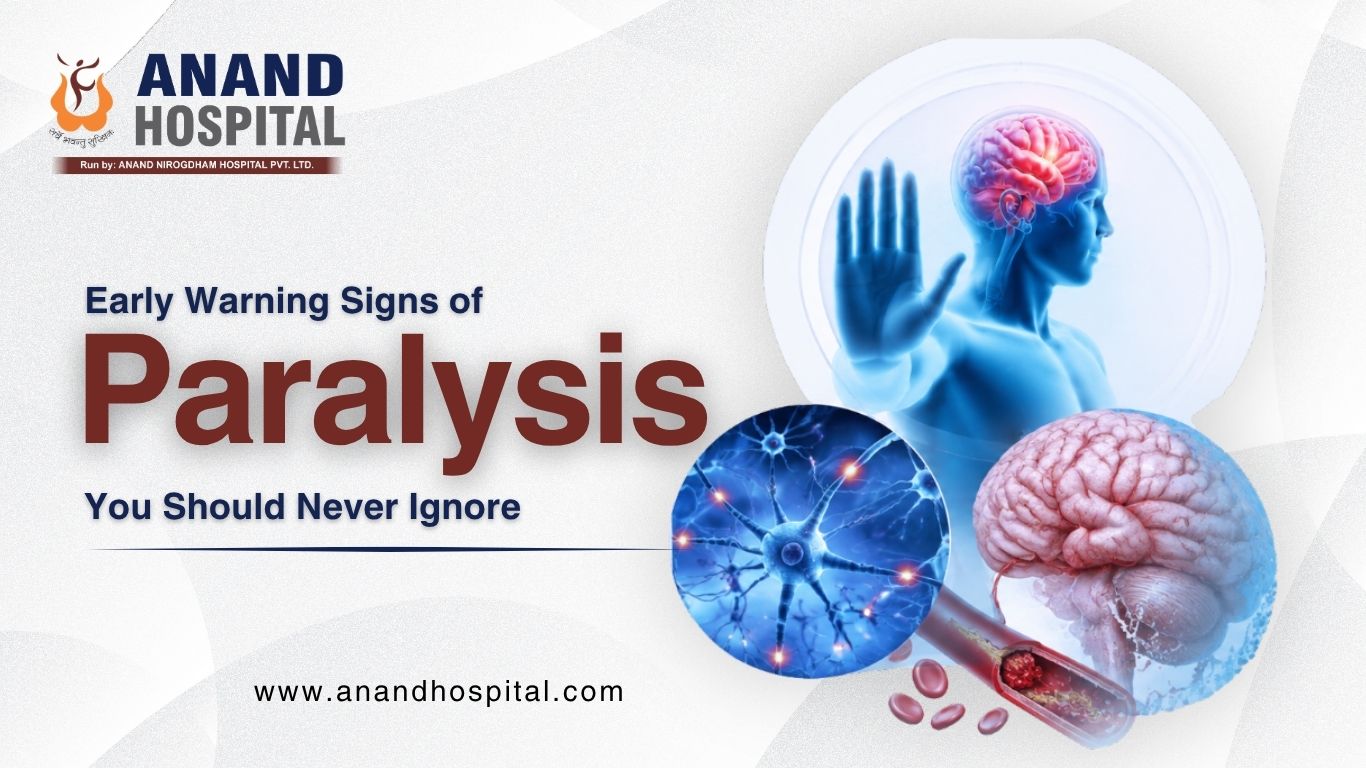
Paralysis is a serious medical condition that causes loss of muscle function in one or more parts of the body. It can occur suddenly due to a stroke, spinal cord injury, or neurological disorder, and in many cases, early symptoms appear before complete paralysis develops. Recognizing these warning signs and seeking immediate medical attention can significantly improve treatment outcomes and reduce the risk of permanent disability.
If you or a loved one experiences any unusual weakness, numbness, or loss of movement, consulting specialists at Anand Hospital Meerut can help ensure timely diagnosis and treatment.
What Is Paralysis?
Paralysis refers to the inability to move a part of the body due to damage to the nervous system. It may affect one side of the body, both legs, one limb, or even the entire body depending on the underlying cause.
Common causes include:
- Stroke
- Brain injury
- Spinal cord injury
- Multiple sclerosis
- Bell’s palsy
- Neurological disorders
- Infections affecting the nervous system
Understanding the early warning signs can help prevent severe complications.
1. Sudden Weakness in the Face, Arm, or Leg
One of the most common early signs of paralysis is sudden weakness on one side of the body. You may notice difficulty lifting an arm, walking, or maintaining balance.
This symptom is particularly common in stroke-related paralysis and requires immediate emergency medical care.
2. Numbness or Tingling Sensation
Persistent numbness, pins-and-needles sensations, or loss of feeling in the arms, legs, face, or fingers should never be ignored.
When nerves fail to communicate properly with the brain, sensation may decrease before muscle function is affected.
3. Facial Drooping
A drooping face, uneven smile, or inability to move one side of the face can indicate nerve damage or a stroke.
Ask the person to smile. If one side of the face does not move normally, seek urgent medical attention.
4. Difficulty Speaking or Understanding Speech
Slurred speech, inability to form words, or confusion while communicating may signal a neurological emergency.
Speech difficulties often occur alongside weakness or numbness and are common warning signs of stroke-related paralysis.
5. Loss of Balance and Coordination
If you suddenly feel dizzy, unstable, or unable to coordinate movements, it may indicate a problem affecting the brain or nervous system.
Symptoms may include:
- Frequent stumbling
- Difficulty walking
- Poor hand coordination
- Sudden falls
6. Blurred or Double Vision
Vision problems can sometimes precede paralysis. Sudden loss of vision, blurred vision, or double vision may indicate reduced blood flow to parts of the brain responsible for movement and coordination.
Immediate medical evaluation is recommended.
7. Severe and Sudden Headache
A sudden, intense headache unlike any experienced before may indicate a stroke, brain hemorrhage, or neurological emergency.
When accompanied by weakness, speech difficulty, or numbness, it should be treated as a medical emergency.
8. Difficulty Swallowing
Problems swallowing food or liquids can result from nerve or brain dysfunction. This symptom often occurs in neurological disorders and may increase the risk of choking and aspiration.
9. Muscle Stiffness or Spasms
Some individuals experience muscle rigidity, stiffness, or involuntary spasms before significant loss of movement develops.
These symptoms may indicate underlying neurological conditions requiring prompt treatment.
10. Sudden Loss of Movement
The most serious warning sign is a sudden inability to move an arm, leg, or part of the body.
This requires immediate emergency care because early treatment can help prevent permanent paralysis.
When Should You Seek Emergency Medical Attention?
Call emergency medical services immediately if you experience:
- Sudden facial drooping
- Arm or leg weakness
- Speech difficulties
- Severe headache
- Loss of balance
- Sudden vision problems
- Complete loss of movement
Quick treatment can often save brain tissue and improve recovery outcomes.
How Paralysis Is Diagnosed
Doctors may recommend:
- Neurological examination
- CT scan
- MRI scan
- Blood tests
- Nerve conduction studies
- Brain imaging
Accurate diagnosis helps determine the cause and the most effective treatment plan.
Treatment Options
Treatment depends on the underlying cause and may include:
- Emergency stroke treatment
- Medications
- Physical therapy
- Occupational therapy
- Speech therapy
- Rehabilitation programs
- Surgical intervention when required
Early intervention significantly improves the chances of recovery.
Conclusion
Paralysis rarely occurs without warning. Symptoms such as sudden weakness, numbness, facial drooping, speech difficulties, and loss of coordination should never be ignored. Prompt medical attention can make the difference between full recovery and permanent disability.
If you notice any of these warning signs, consult the experienced neurology and emergency care team at Anand Hospital Meerut for timely diagnosis and treatment. Early action can save lives and preserve mobility.
FAQs:
The earliest signs often include sudden weakness, numbness, facial drooping, speech difficulties, and loss of balance.
Some causes, such as stroke-related paralysis, can be reduced by controlling blood pressure, diabetes, cholesterol, and maintaining a healthy lifestyle.
Not always, but persistent or sudden numbness should be evaluated by a doctor, especially when accompanied by weakness.
Immediately. Early treatment within the first few hours can significantly improve outcomes.
Recovery depends on the cause, severity, and how quickly treatment begins. Many patients improve with rehabilitation and therapy.