
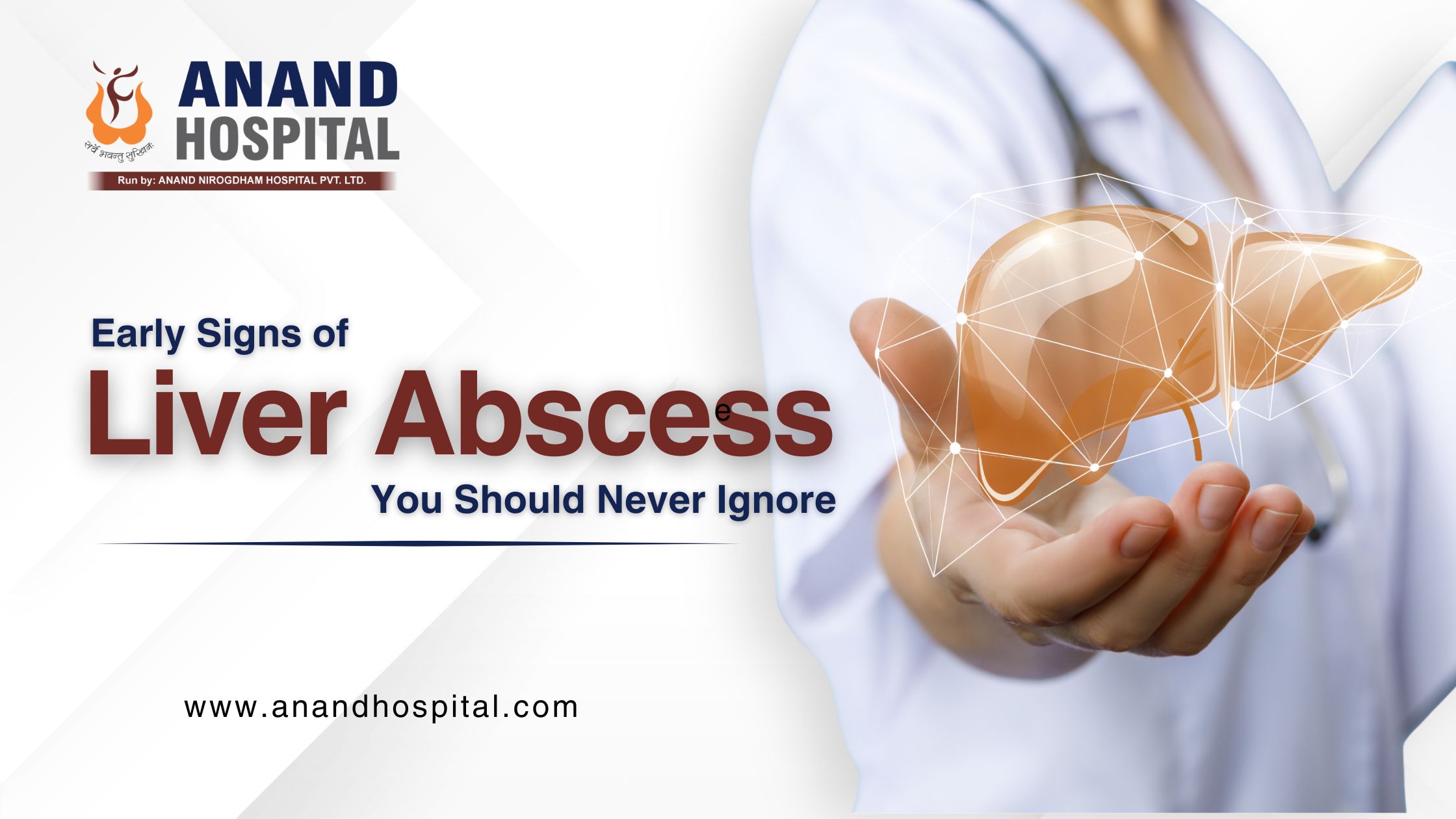
A liver abscess is a serious medical condition in which pus-filled pockets develop inside the liver due to bacterial, fungal, or parasitic infections. If left untreated, it can lead to severe complications and even become life-threatening. Recognizing the early signs of liver abscess can help in timely diagnosis and treatment, improving recovery outcomes significantly.
If you are experiencing symptoms related to liver infection or abdominal pain, consult the specialists at Anand Hospital for expert diagnosis and advanced treatment options.
What Is a Liver Abscess?
A liver abscess occurs when harmful microorganisms infect the liver tissue, causing inflammation and pus formation. The condition is commonly divided into:
- Pyogenic Liver Abscess – Caused by bacterial infection
- Amoebic Liver Abscess – Caused by parasites, especially Entamoeba histolytica
- Fungal Liver Abscess – Less common, mostly seen in people with weak immunity
The infection may spread from the intestines, blood, bile ducts, or nearby organs.
Early Signs of Liver Abscess You Should Never Ignore
Identifying symptoms early can prevent serious complications. Here are the most common warning signs:
1. Persistent Fever and Chills
One of the earliest symptoms of liver abscess is a high fever accompanied by chills and sweating. The body reacts to the infection by increasing temperature.
2. Pain in the Upper Right Abdomen
Pain or tenderness in the upper right side of the abdomen is a major warning sign. The discomfort may gradually worsen and sometimes spread to the right shoulder.
3. Loss of Appetite
Many patients experience reduced appetite along with nausea and weakness. This can eventually lead to noticeable weight loss.
4. Fatigue and Weakness
Continuous tiredness without any obvious reason may indicate an underlying infection affecting liver function.
5. Nausea and Vomiting
Digestive symptoms such as nausea, vomiting, and bloating are common in liver abscess cases.
6. Jaundice
In some patients, the skin and eyes may turn yellow due to liver dysfunction. This symptom requires immediate medical attention.
7. Enlarged Liver
A swollen or enlarged liver may cause abdominal fullness and discomfort.
Causes of Liver Abscess
Several factors can increase the risk:
- Bacterial infections
- Amoebic infections from contaminated food or water
- Diabetes
- Weak immune system
- Bile duct infections
- Liver injury or surgery
- Abdominal infections like appendicitis
Who Is at Higher Risk?
You may have a higher risk if you:
- Have diabetes
- Consume contaminated food or water
- Have liver disease
- Have a weakened immune system
- Recently had abdominal surgery
- Suffer from gallbladder or bile duct disorders
How Is Liver Abscess Diagnosed?
Doctors may recommend the following tests:
- Blood tests
- Ultrasound
- CT scan
- MRI scan
- Pus culture tests
Early diagnosis helps prevent complications such as liver rupture or sepsis.
Treatment for Liver Abscess
Treatment depends on the type and severity of the infection.
Common Treatment Options Include:
- Antibiotics or anti-parasitic medicines
- Needle aspiration to drain pus
- Catheter drainage
- Surgery in severe cases
At Anand Hospital, experienced specialists provide advanced diagnostic and minimally invasive treatment for liver abscess and other liver-related conditions.
Can Liver Abscess Be Prevented?
Yes, prevention is possible by following healthy hygiene and lifestyle practices:
- Drink clean and safe water
- Maintain proper hand hygiene
- Treat intestinal infections early
- Control diabetes effectively
- Avoid contaminated food
When Should You See a Doctor?
Seek immediate medical attention if you experience:
- Persistent fever
- Severe abdominal pain
- Jaundice
- Vomiting
- Sudden weakness
- Unexplained weight loss
Ignoring symptoms can increase the risk of serious complications.
FAQs:
Yes, if untreated, a liver abscess can become life-threatening and may lead to sepsis or liver damage.
The most common causes are bacterial infections and amoebic infections from contaminated food or water.
Many abscesses can be treated with antibiotics and drainage procedures without major surgery.
Recovery usually takes a few weeks, depending on the severity and treatment response.
No, Abscess itself is not contagious, but infections causing it may spread through contaminated food or water.